Market Overview
October was shaped by an energy shock resulting from the war with Iran, which sustained high inflation and inclined central banks toward tighter monetary policy. At the same time, ongoing sell-offs in AI-related tech stocks and fiscal strain in France unsettled broader markets. These combined factors pushed currencies and gold in divergent directions throughout the month. The US dollar drew support in October from expectations of a further Federal Reserve rate hike, but its momentum eventually stalled, leaving it below its mid-month peak by the close of the month.
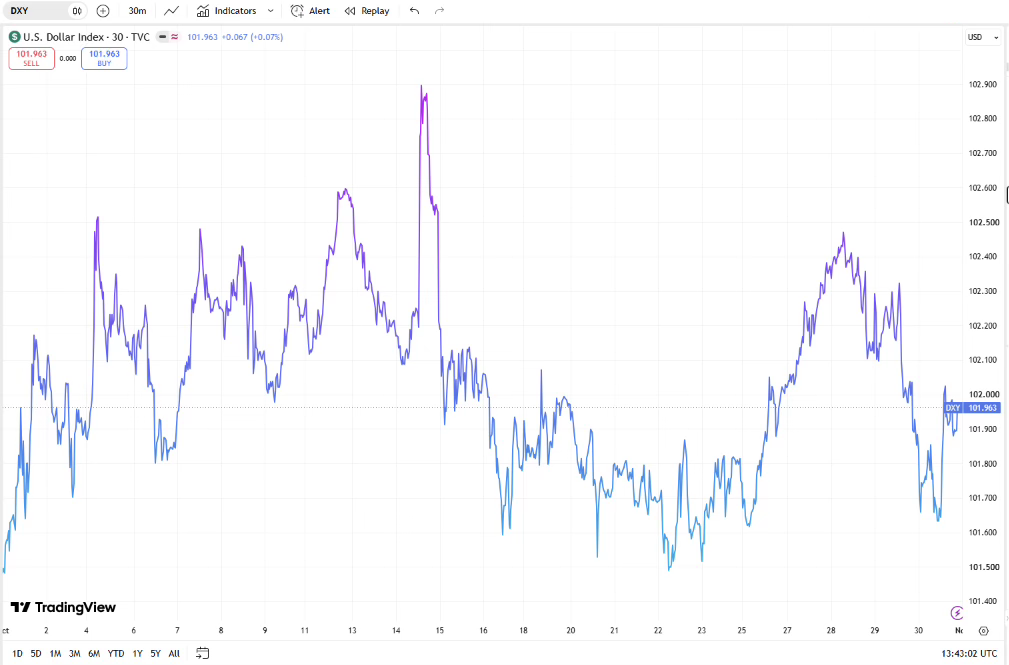
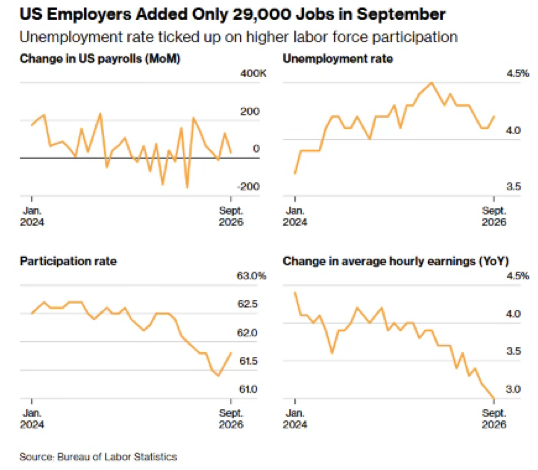
The month began on a strong note. Solid expectations for rate increases – driven by oil-fueled inflation and tensions in the Middle East – pushed the index to its highest point since April 2025 within two weeks. Even though September payroll numbers fell short at 29K versus the 90K forecast and unemployment rose to 4.2% against the expected 4.1%, the market’s upward momentum paused only briefly. Buyer engagement was subsequently sustained by the October 7 FOMC minutes, which revealed that most participants still anticipated one more rate hike before the year concluded.
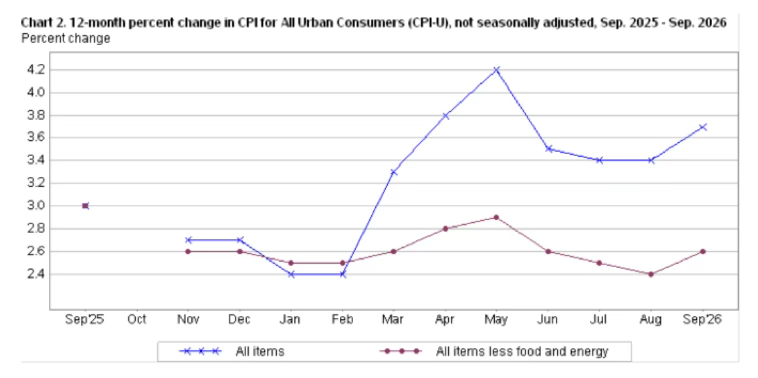
That upward trend reached its peak on October 14 following the release of September CPI figures, which printed at 3.7% year over year compared to the 3.6% forecast, while core CPI came in at 2.6% against the 2.5% projection. Gasoline and shelter costs were the primary drivers of the unexpected rise, causing the probability of an October rate hike to jump from 22% to nearly 42%. As Treasury yields spiked, the dollar surged to its highest point of the month. However, the advance proved short-lived. Yields fell sharply the following morning after reports surfaced that China might be purchasing US debt through indirect channels, and market participants maintained expectations that the Federal Reserve would leave rates unchanged in October despite the inflation surprise. Consequently, the dollar surrendered all of its recent gains, and even a higher-than-expected producer price index of 6.3% versus the anticipated 5.4% failed to reignite the move.
Lacking any new catalyst, the dollar lost ground between October 16 and 23, dropping to a three-week low as Treasury yields pulled back from multi-year peaks. Federal Reserve officials had indicated no immediate urgency to raise rates again, and weak housing data put further downward pressure on yields, with housing starts reaching 1.221 million, well below the projected 1.305 million.
Even so, the retreat remained orderly. Initial jobless claims at 194K indicated that the labor market was still holding firm, while odds of a December rate hike near 90%, coupled with the ongoing tension between the US and Iran, prevented buyers from allowing the decline to extend further.
Buyers stepped back in ahead of the FOMC meeting as consumer confidence surged to 91.7 on October 27, well above the 81.0 forecast, pushing the dollar to a near two-week high leading into the policy decision. On October 28, the Federal Reserve kept interest rates unchanged at 3.75% to 4.00%, with two members dissenting in favor of a hike. However, after the Chair offered no guidance regarding the December meeting, the dollar lost momentum and drifted lower.
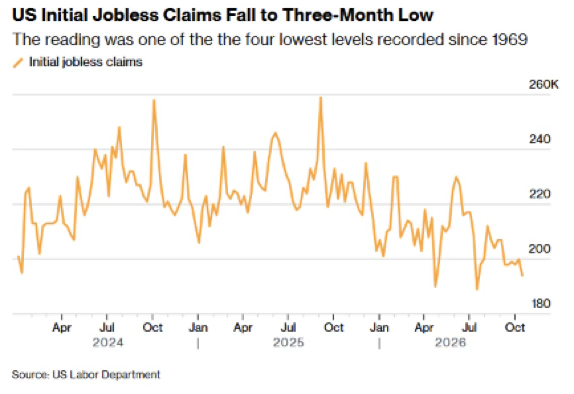
The dollar then dropped sharply on October 30 as a retreat in technology shares, with Alphabet sinking 12.6% and Intel tumbling more than 25% following weak forecasts, sparked concern over the returns from the AI spending surge that had supported US growth. Capital poured into Treasuries, driving the 10-year yield down to 4.91% from its earlier monthly peak of 5.36% and eroding the yield support behind the currency. Consequently, the dollar ended October trading near the bottom of its monthly range, though December rate hike probabilities of around 75% continued to provide a modest floor.
Fluctuations in the US dollar established the tone across all major currency pairs throughout October.
USDCAD declined over the month as the US dollar pulled back from its peaks and a repricing of expectations for Bank of Canada rate hikes bolstered the Canadian dollar, notwithstanding soft Canadian economic data.
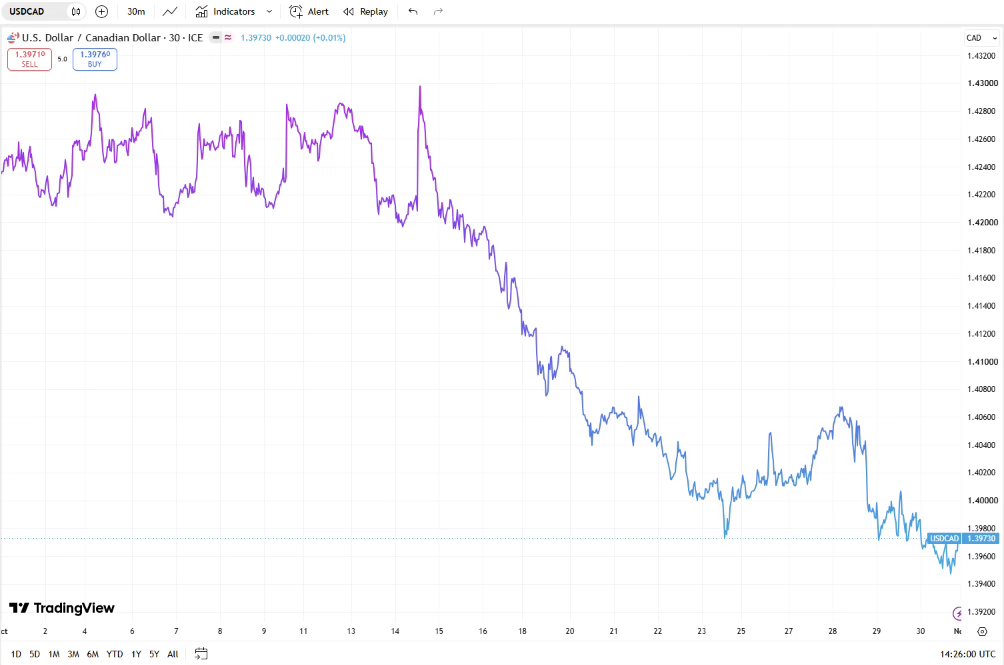
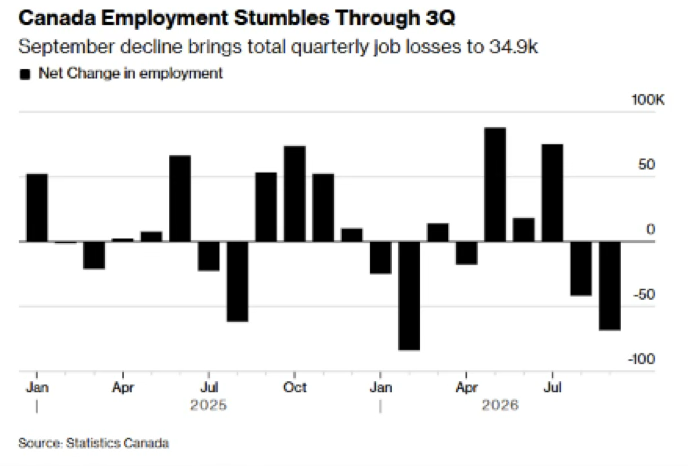
For the first two weeks, the pair traded near the upper bound of its range. Safe-haven buying and Federal Reserve hike expectations kept the US dollar supported, even following weak US payroll figures of 29,000 against the 90,000 expected on October 2. Meanwhile, Canadian data dragged on the local currency as employment declined by 68,300 on October 9 versus an expected gain of 7,000, unemployment increased to 6.5%, and traders scaled back bets on a Bank of Canada rate increase. Finally, a US inflation print of 3.7% compared to the 3.6% forecast drove the pair to its peak for the month on October 14.
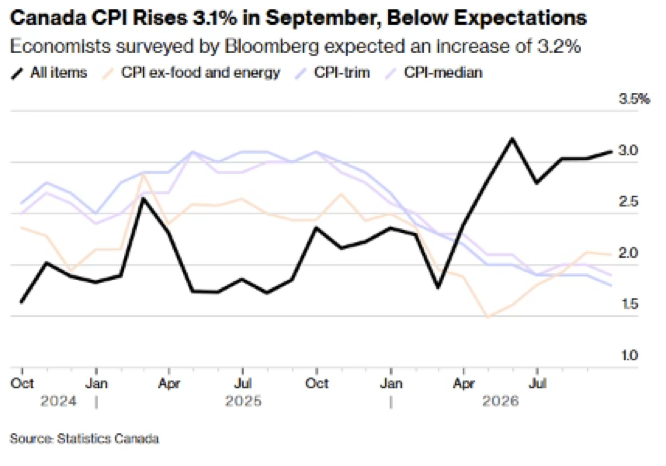
The pair subsequently dropped steadily through October 23 as US Treasury yields pulled back and markets once again priced in a Bank of Canada rate hike. A Canadian inflation reading of 3.1% versus the 3.2% forecast, alongside softer core metrics, barely slowed the downward movement.
A short recovery ensued as the US dollar picked up heading into the central bank meetings. On October 28, the Bank of Canada increased its policy rate by 25 basis points to 2.50%, matching expectations, citing ongoing energy-driven inflation and indicating potential future rate hikes, though the Canadian dollar showed minimal movement as the step was already priced in. The pair subsequently declined as the US dollar lost ground after the Federal Reserve kept rates unchanged without offering forward guidance for December, despite two policy members voting in favor of a rate increase.
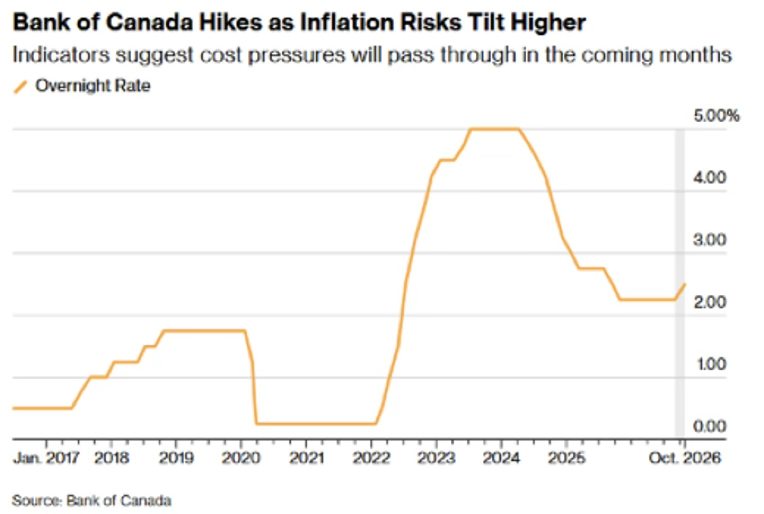
The decline extended on October 30 as a sell-off in US technology shares dragged yields down and kept the US dollar under sustained pressure.
GBPUSD mirrored the fluctuations of the US dollar throughout October, finishing the month higher as resilient UK economic data and expectations of a Bank of England rate hike provided support for the pound.
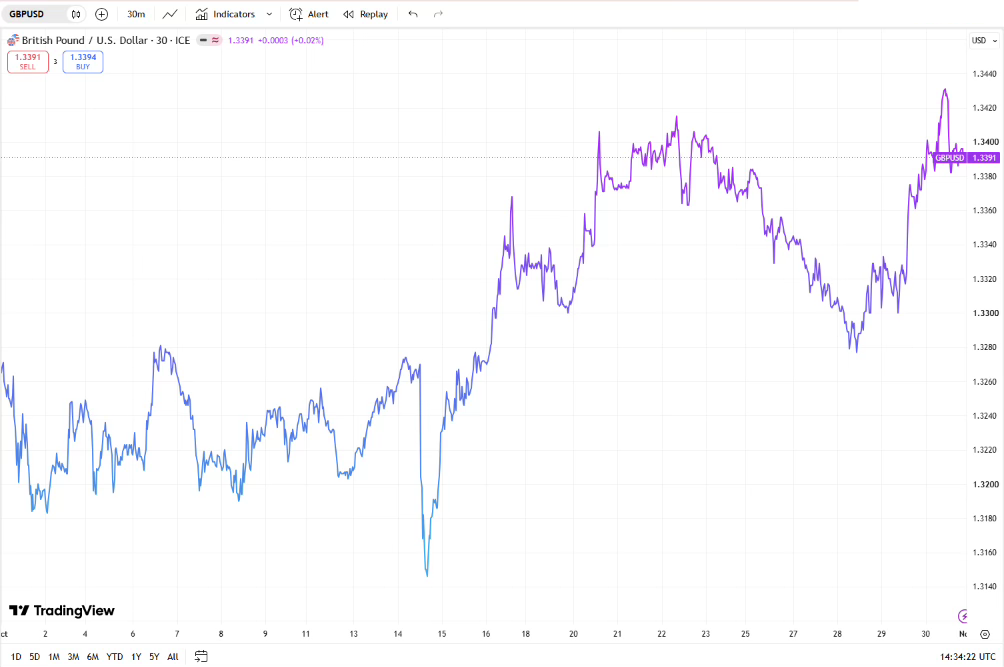
The pair spent the first two weeks under pressure due to a firm US dollar. A US inflation print of 3.7% against the 3.6% forecast subsequently pushed the pair to its monthly low on October 14.
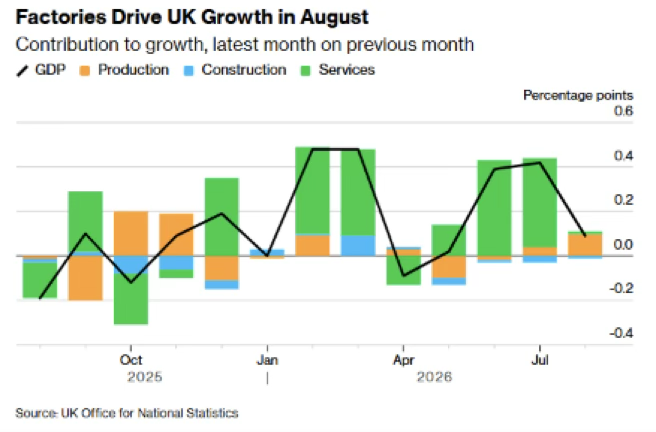
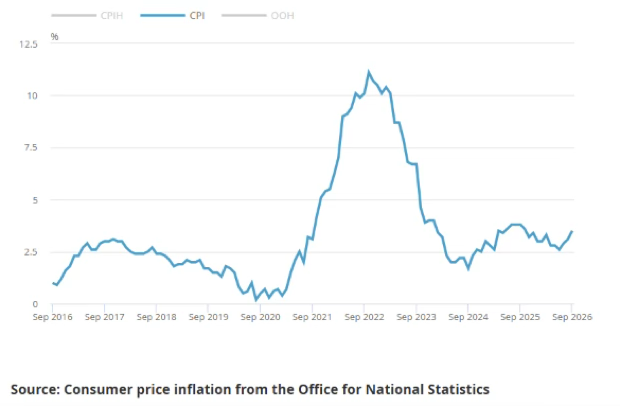
The reversal unfolded rapidly. On October 15, UK GDP showed 0.1% growth in August versus the anticipated 0.1% contraction, while the US dollar pulled back as Treasury yields declined. On October 20, UK unemployment dropped unexpectedly to 4.7% and regular wage growth of 3.7% topped the 3.6% forecast, giving the pound another boost. UK inflation coming in at 3.5% against the 3.4% expected the following day left markets pricing in a 98% probability of a Bank of England rate hike on November 5.
A pullback ensued starting October 23 as the US dollar regained ground, with sterling also softening as market participants steered clear of major positions ahead of the UK Budget and a busy lineup of central bank announcements. When the Budget was delivered on October 28, it passed with minimal impact on either the pound or gilt markets.
The pair subsequently rallied to its peak for the month on October 30. The Federal Reserve opted to hold interest rates steady without giving forward guidance for December, while a sharp decline in tech shares pushed US yields downward. This dynamic left the pound trading near its highest point of the month, supported by the ongoing prospect of a Bank of England rate increase.
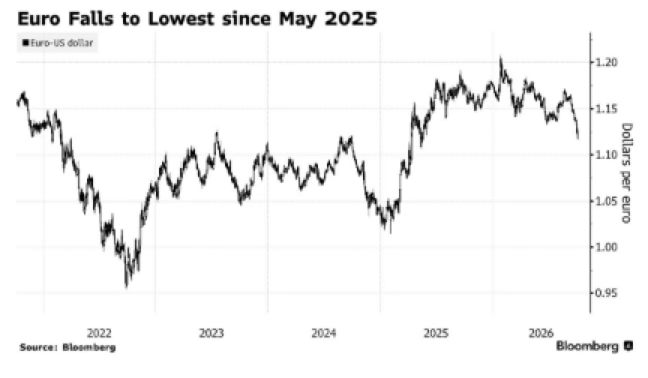
The Euro declined against the US dollar throughout October as concerns over French public finances and elevated energy costs placed downward pressure on the common currency, whereas anticipation of additional rate increases by the Federal Reserve maintained underlying support for the greenback.
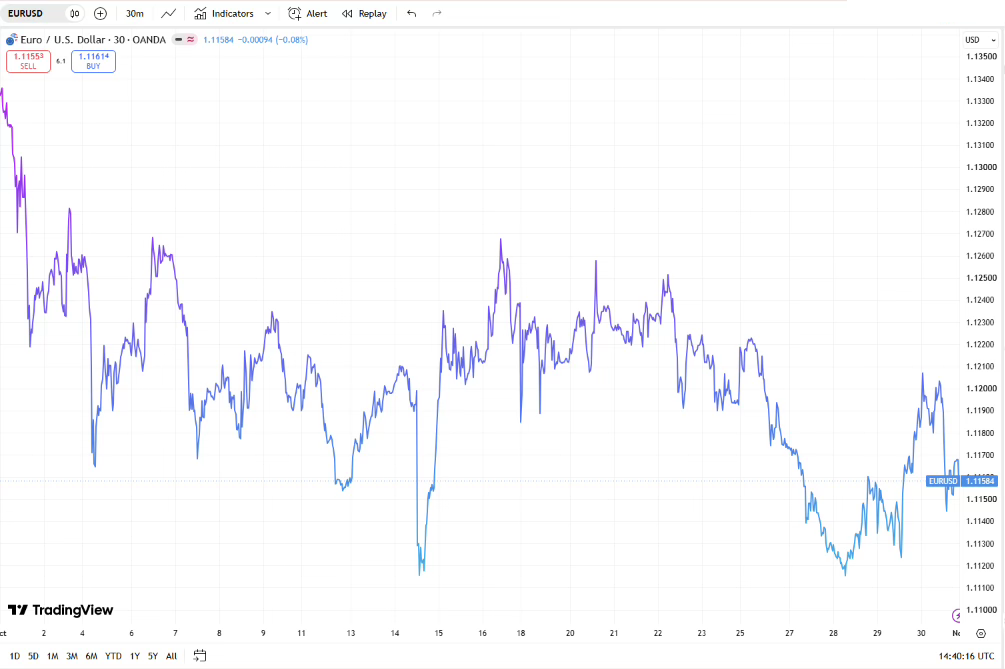
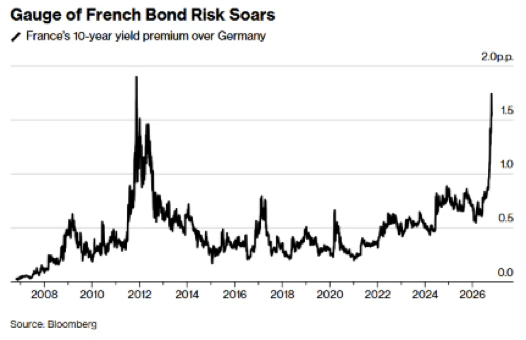
The pair dropped to its lowest point in 17 months on October 5, driven down by rising French borrowing costs and Spain’s decision to call a snap election. Euro-zone inflation coming in above expectations at 3.8% versus 3.7% on October 2 provided little relief. Soon after, US inflation figures of 3.7% against the projected 3.6% pushed the pair back toward those lower levels on October 14.
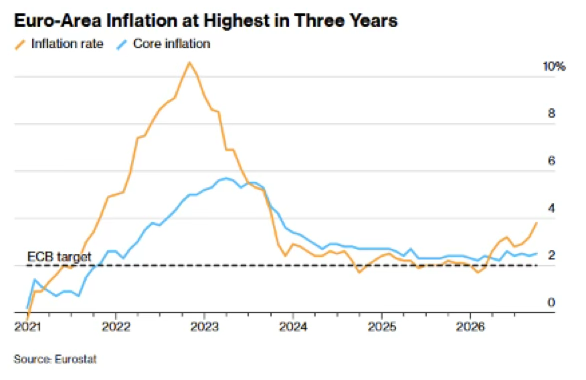
A recovery ensued as a sell-off in AI stocks dragged US yields downward and weakened the dollar, though the upward move was halted by civil unrest in France on October 19.
The euro dropped again starting October 23, driven by another decline in French sovereign debt that widened the yield spread over German bunds to its highest level since 2011, while the dollar recovered from a three-week low ahead of the central bank policy decisions.
On October 29, the European Central Bank maintained its benchmark interest rates at 2.50% following deliberations regarding a potential rate increase, while Christine Lagarde revealed plans to step down from her role in February. The euro subsequently dropped near its lowest level since May 2025 as market participants reduced expectations for a December hike in response to the ECB highlighting stricter financial conditions. Although the currency staged a recovery on October 30 when a decline in technology stocks lowered US yields and weakened the dollar, the greenback later trimmed its losses, leading the euro to finish October with a second consecutive monthly decline.
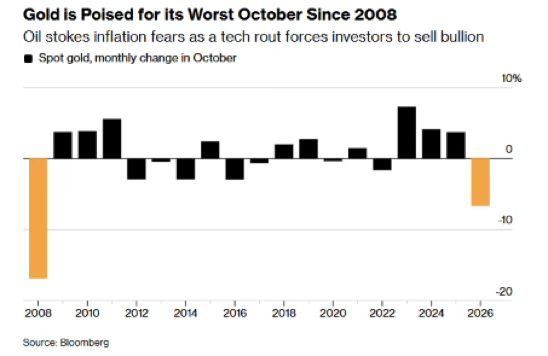
Gold dropped throughout October as the energy shock from the war in Iran kept US inflation and expectations for Federal Reserve rate hikes elevated, which ultimately overshadowed safe-haven demand.
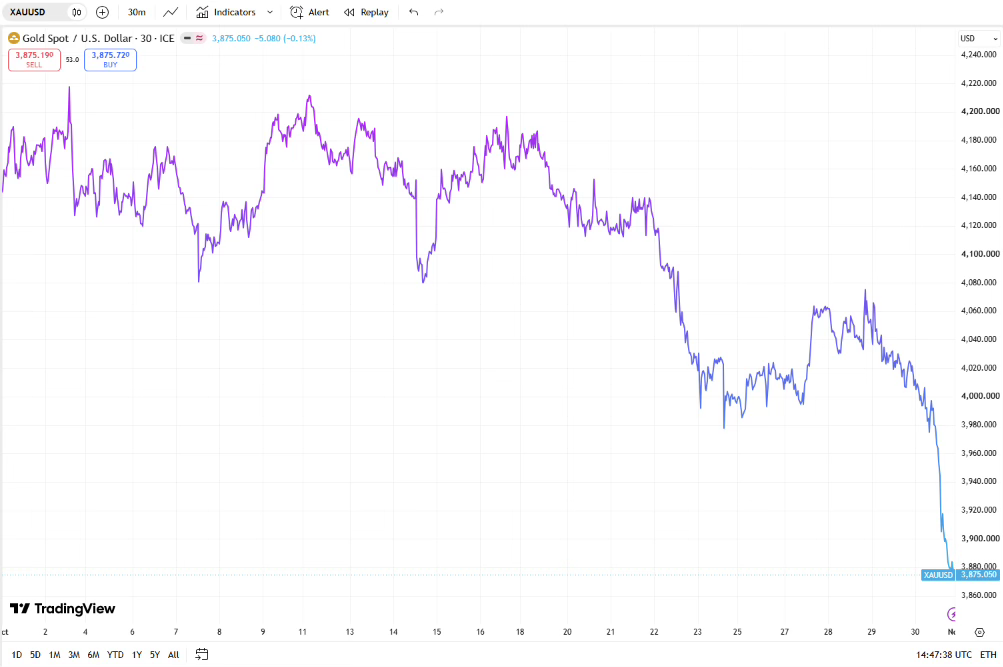
The metal experienced a short-lived surge on October 2 when weak US payroll figures of 29,000 against the roughly 90,000 anticipated reduced expectations for a rate increase. However, a strong US dollar coupled with Treasury yields touching two-decade highs pressed prices down to a two-month low by October 7. A subsequent US inflation reading of 3.7% versus the expected 3.6% triggered another leg down on October 14.
A recovery ensued shortly after as a sell-off in AI technology equities prompted market participants to seek refuge in fixed income, dragging Treasury yields lower.
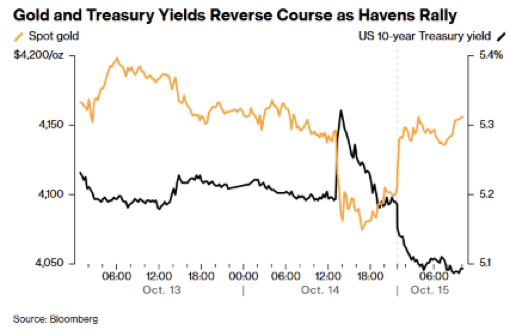
However, the safe-haven demand proved short-lived. On October 22, gold tumbled as oil prices surged following Houthi strikes in Saudi Arabia, subsequently falling below $4,000 the following day.
The metal stabilized around that threshold as energy prices softened and bargain buyers entered the market, before easing again on October 28 when oil resumed its climb and the Federal Reserve left interest rates unchanged, with two officials dissenting in favor of a rate increase. Stronger-than-anticipated US growth of 3.4% versus the 3.2% expected on October 29 further bolstered the case for a December rate hike, with market odds hovering near 80%.
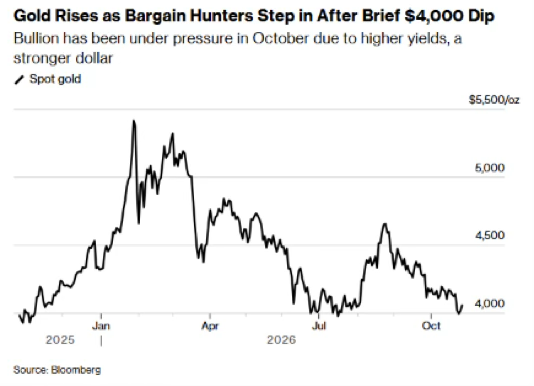
On October 30, gold dropped approximately 3.6% to reach a one-year low below $3,900. Market analysts attributed the decline to a tech-sector sell-off, sparked by weak earnings reports from Amazon and Intel, which forced investors to liquidate gold positions to meet losses in other assets. This selling pressure ultimately eclipsed the support typically provided by falling Treasury yields. Meanwhile, crude oil prices climbed following a tanker attack in the Strait of Hormuz. Consequently, gold concluded October with a loss of nearly 7%, marking its second consecutive monthly decline.